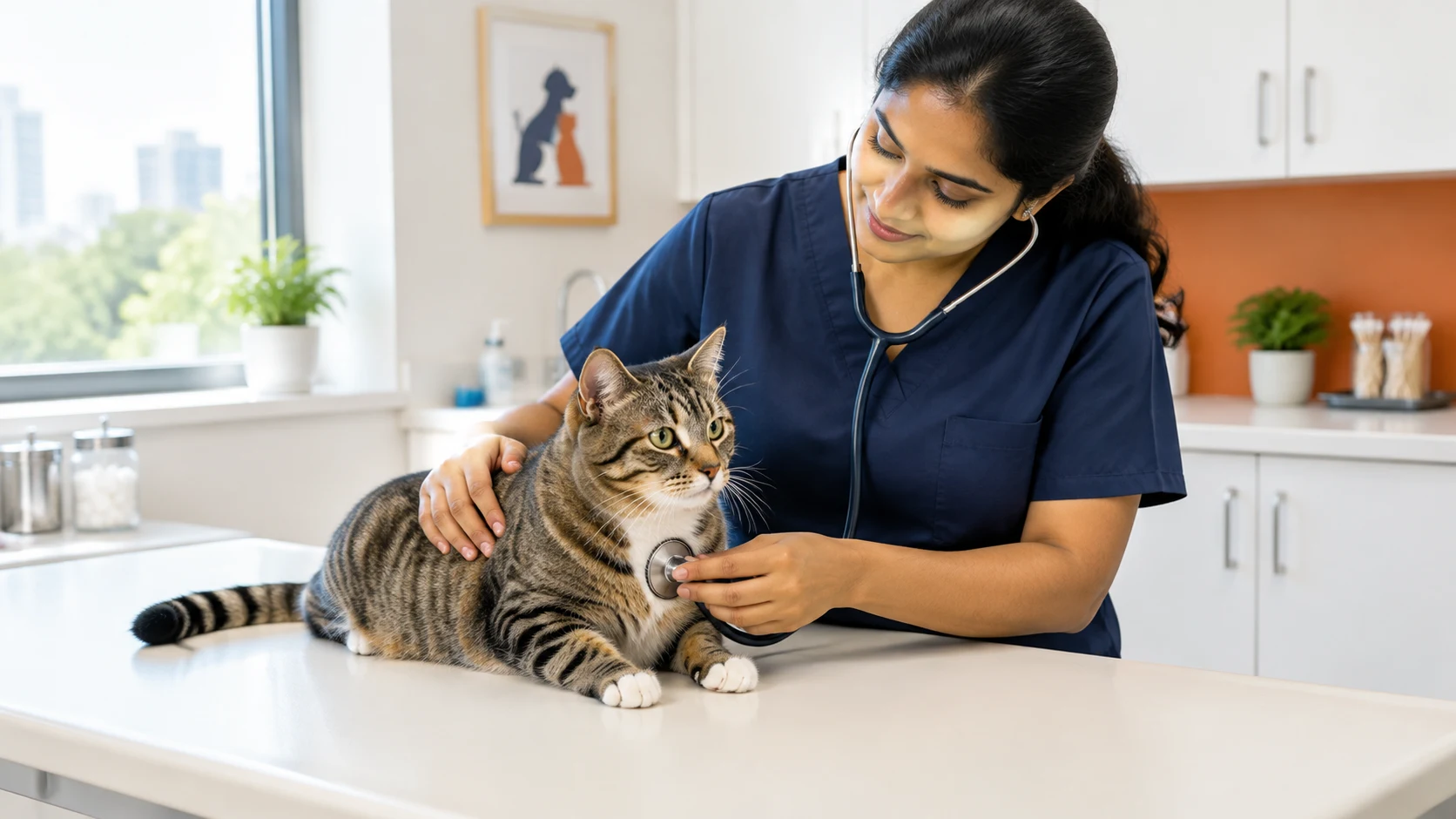

A home vet can suit planned consultations and preventive care for a stable dog or cat. A pet with severe symptoms may need hospital equipment, monitoring or surgery. Call a veterinarian to decide where to go; the safest setting matters more than convenience.
Start with severity, not distance
Notice your pet’s breathing, alertness and ability to stand or urinate. Collapse, major trauma, repeated seizures or uncontrolled bleeding are reasons to seek emergency guidance immediately. Do not spend time comparing home-visit prices while a pet is deteriorating.
When a home consultation may help
For stable pets, discuss checkups, vaccination and a first assessment of non-emergency concerns. A veterinarian may still recommend tests or transfer after examining the pet. Home care does not replace every diagnostic or treatment option available in a hospital.
Make the handover easier
Bring previous test reports, treatment history and medication labels if the team advises a hospital visit. Tell the receiving team what changed and how quickly. Dr. Doodley’s seven hospitals are open 24/7; confirm the nearest suitable branch when calling.
Before you book
- Describe symptoms before selecting a service.
- Ask what tests or equipment might be needed.
- Keep transport available if transfer is advised.
Common questions
Is home treatment always enough?
No. The veterinarian may recommend hospital diagnostics, treatment or monitoring after assessing your pet.
Further reading
Merck Veterinary Manual: when to see a veterinarian ↗Prepared from existing Dr. Doodley service information and general veterinary references. This article has not been individually reviewed by a veterinarian. For advice about your pet, contact your treating veterinary team.