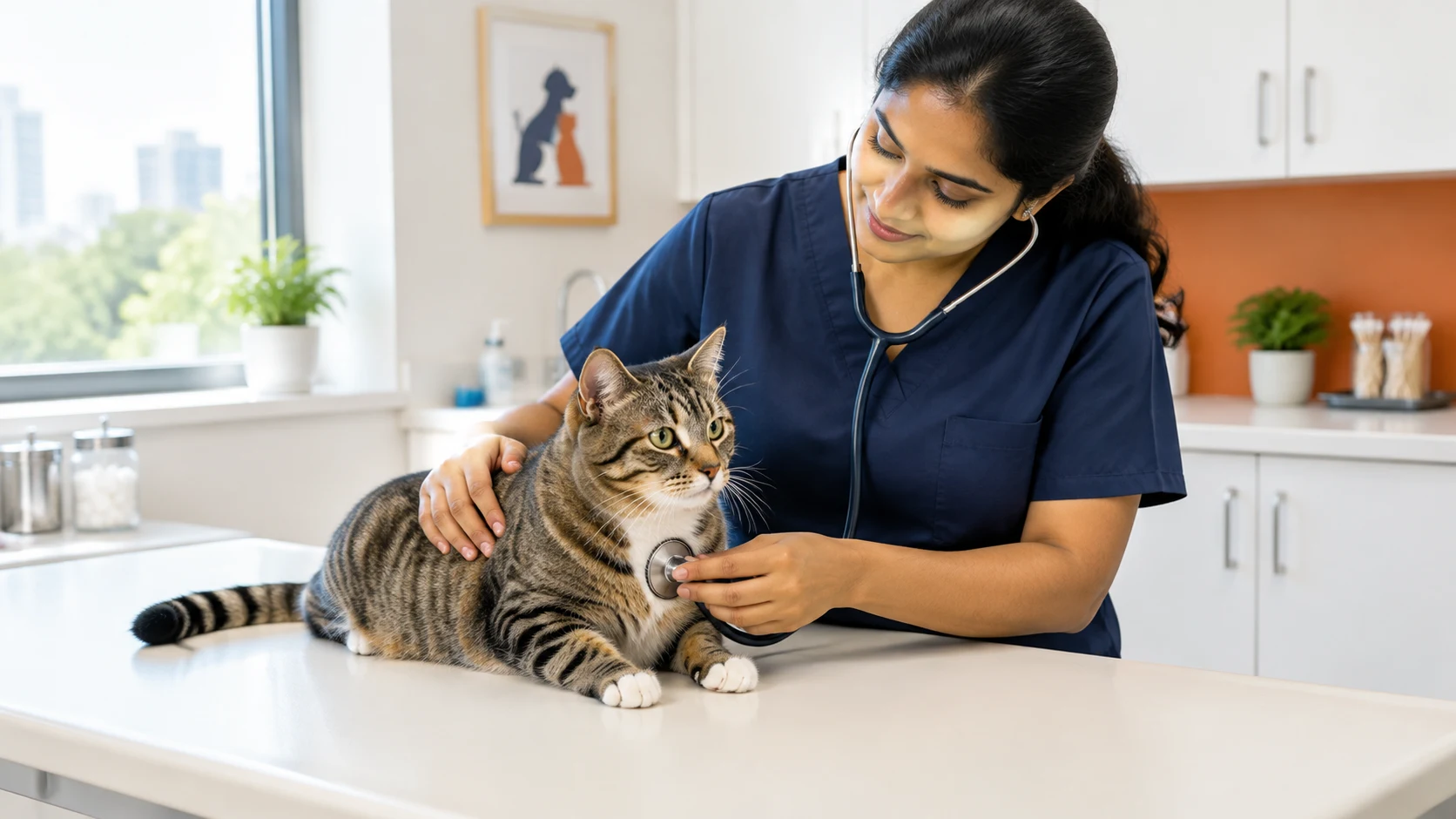

A home vet visit may reduce travel for stable dogs and cats and make planned care easier for their owners. It is not the best setting for every illness. Choose doorstep care after discussing the symptoms, the examination needed and any likely hospital referral.
Convenience has practical benefits
Owners can avoid transporting a stable pet for some routine services. A familiar environment may help with handling, although every pet responds differently. Access to records and the animal’s usual living conditions may also support the consultation.
Ask what the appointment includes
Clarify the consultation fee, any visit charges, and whether proposed tests, medications or follow-up visits are extra. The examination may lead to further recommendations. Avoid assuming a package covers every concern merely because the doctor travels to your home.
Understand the limits
Imaging, surgery and intensive monitoring can require hospital facilities. If a home vet recommends referral, ask where to go and what information to bring. A good visit plan includes a clear route to further care when needed.
Before you book
- Confirm what is included.
- Prepare a quiet examination space.
- Ask how referrals and follow-up work.
Common questions
Can home visits replace a hospital?
No. They can support suitable care for stable pets, while some conditions require hospital facilities.
Further reading
Merck Veterinary Manual: when to see a veterinarian ↗Prepared from existing Dr. Doodley service information and general veterinary references. This article has not been individually reviewed by a veterinarian. For advice about your pet, contact your treating veterinary team.